MISS JULIE
based on motifs from August Strindberg
Превод и сценична адаптация
Теодора Лилян
Драматургична версия
Роман Должански
Сценограф
Олег Головко
Композитор
Калин Николов
Костюми
Сергей Йорданов
Фотограф
Стефан Н. Щерев
MISS JULIE
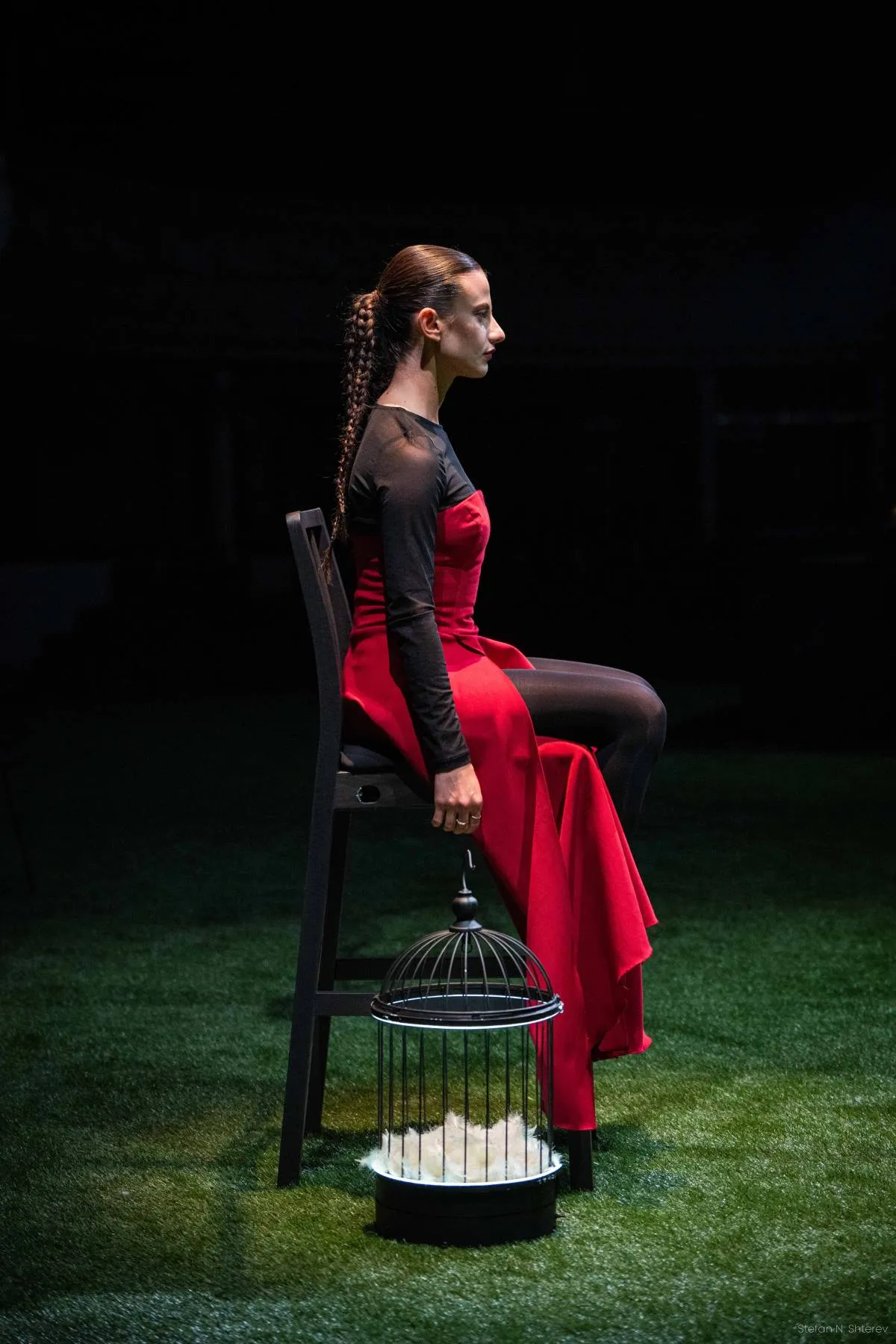
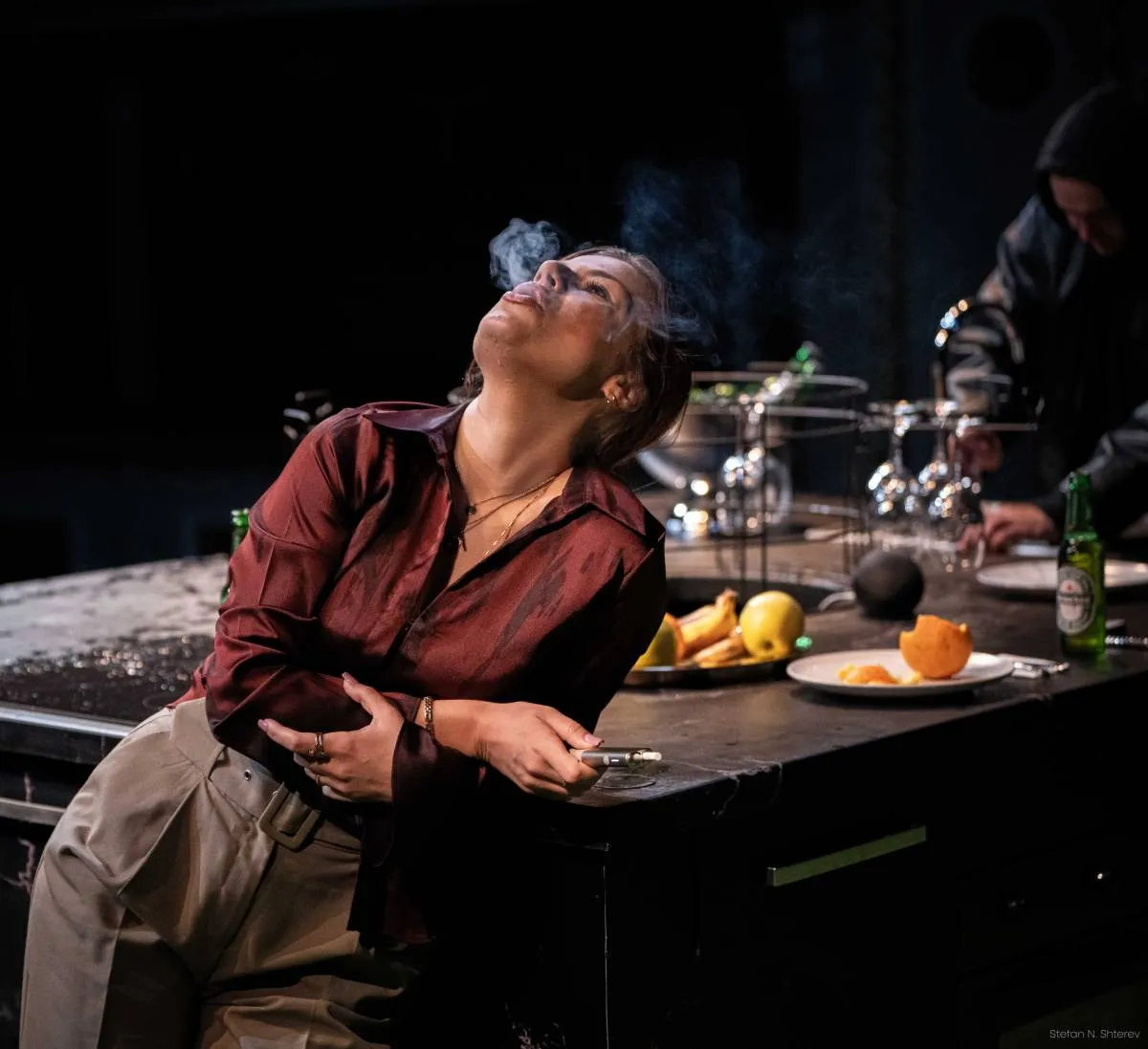
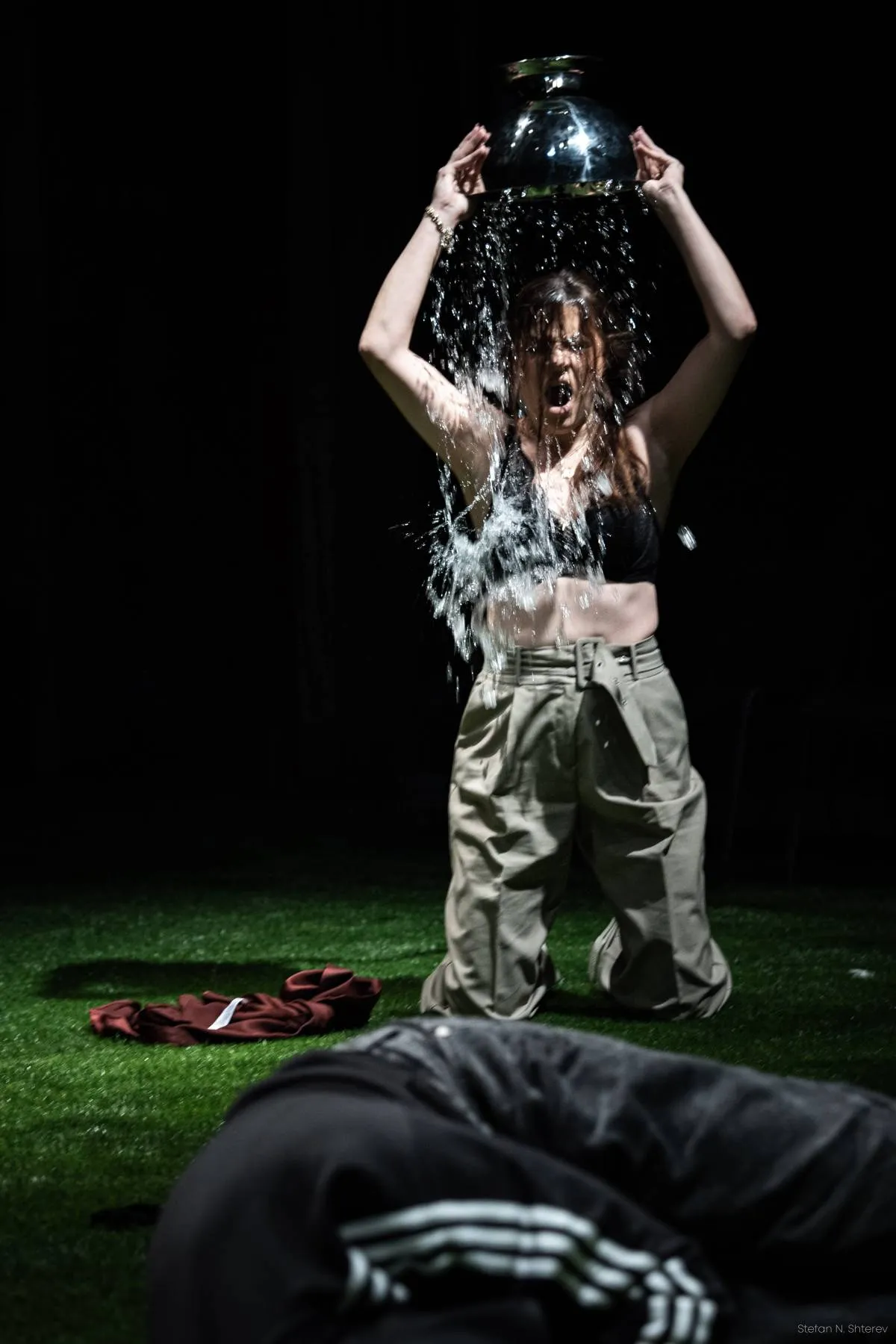
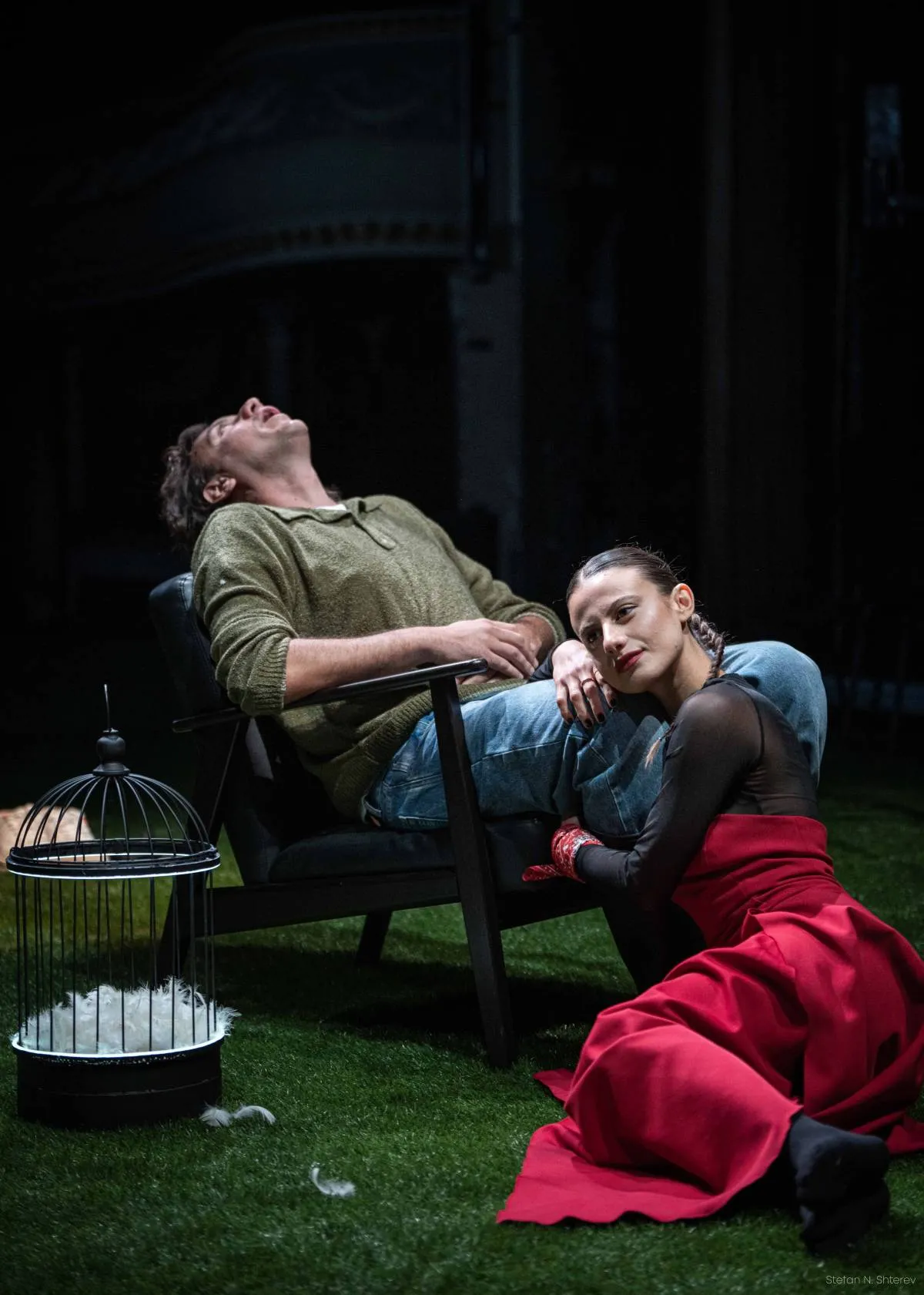
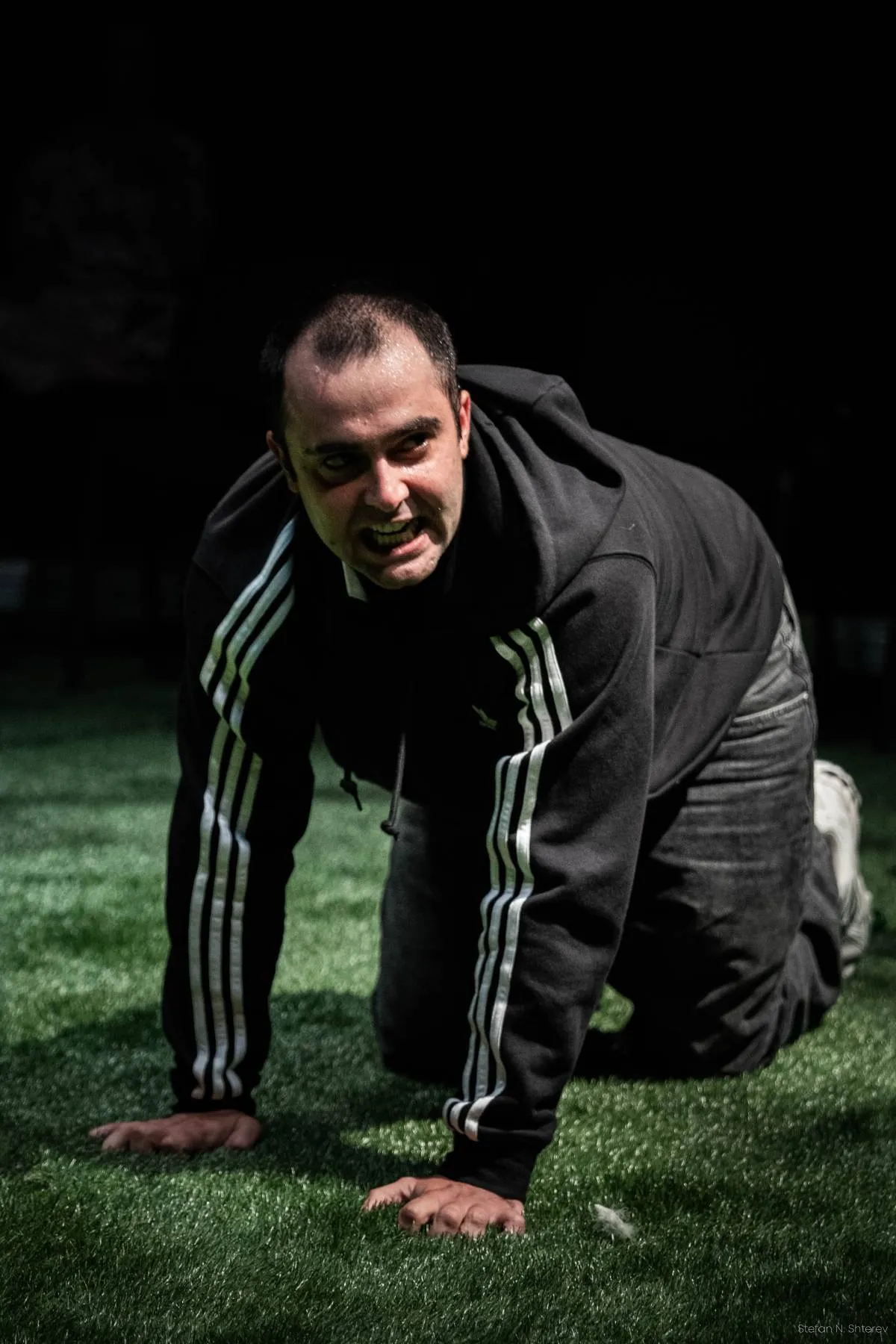
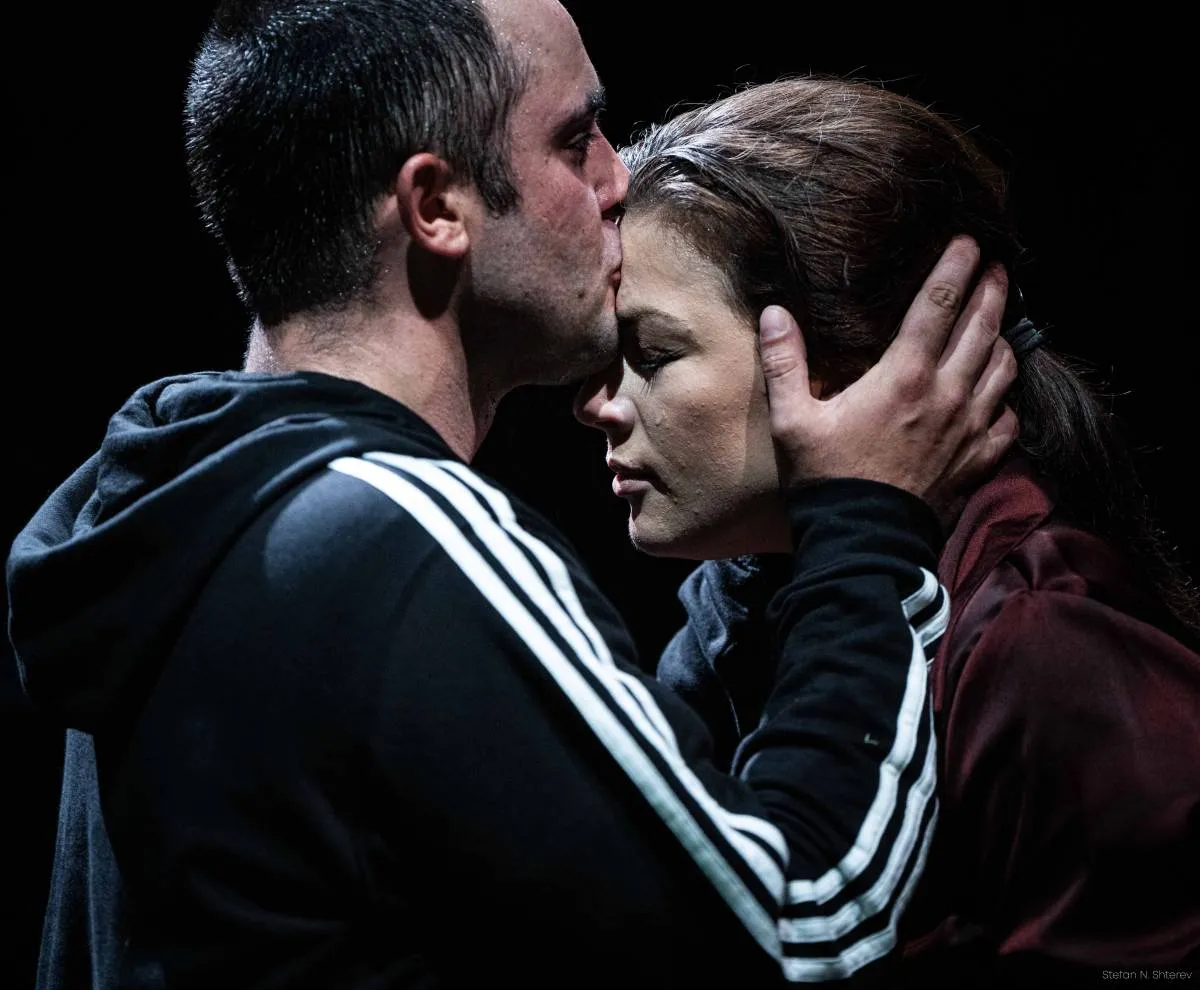
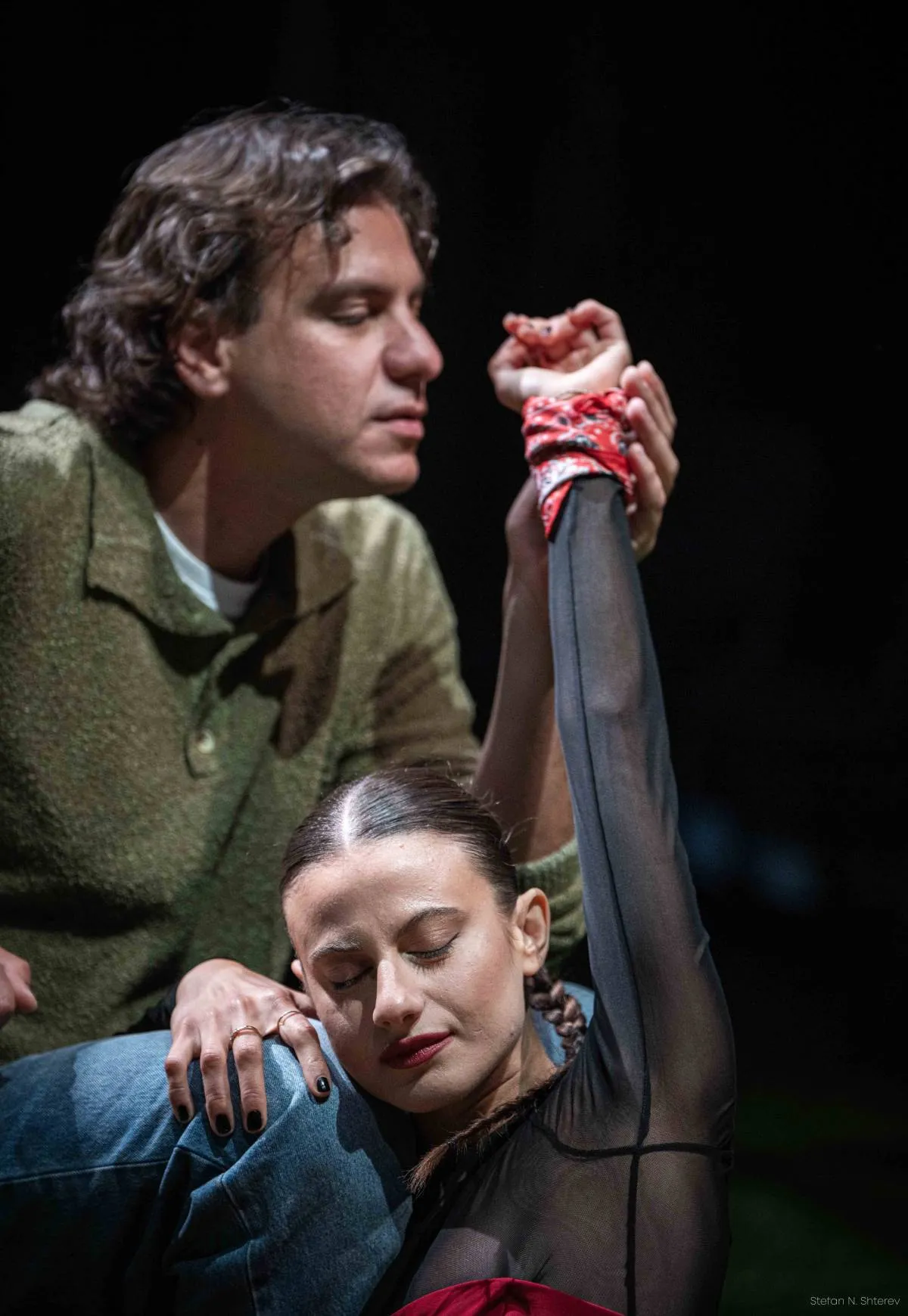
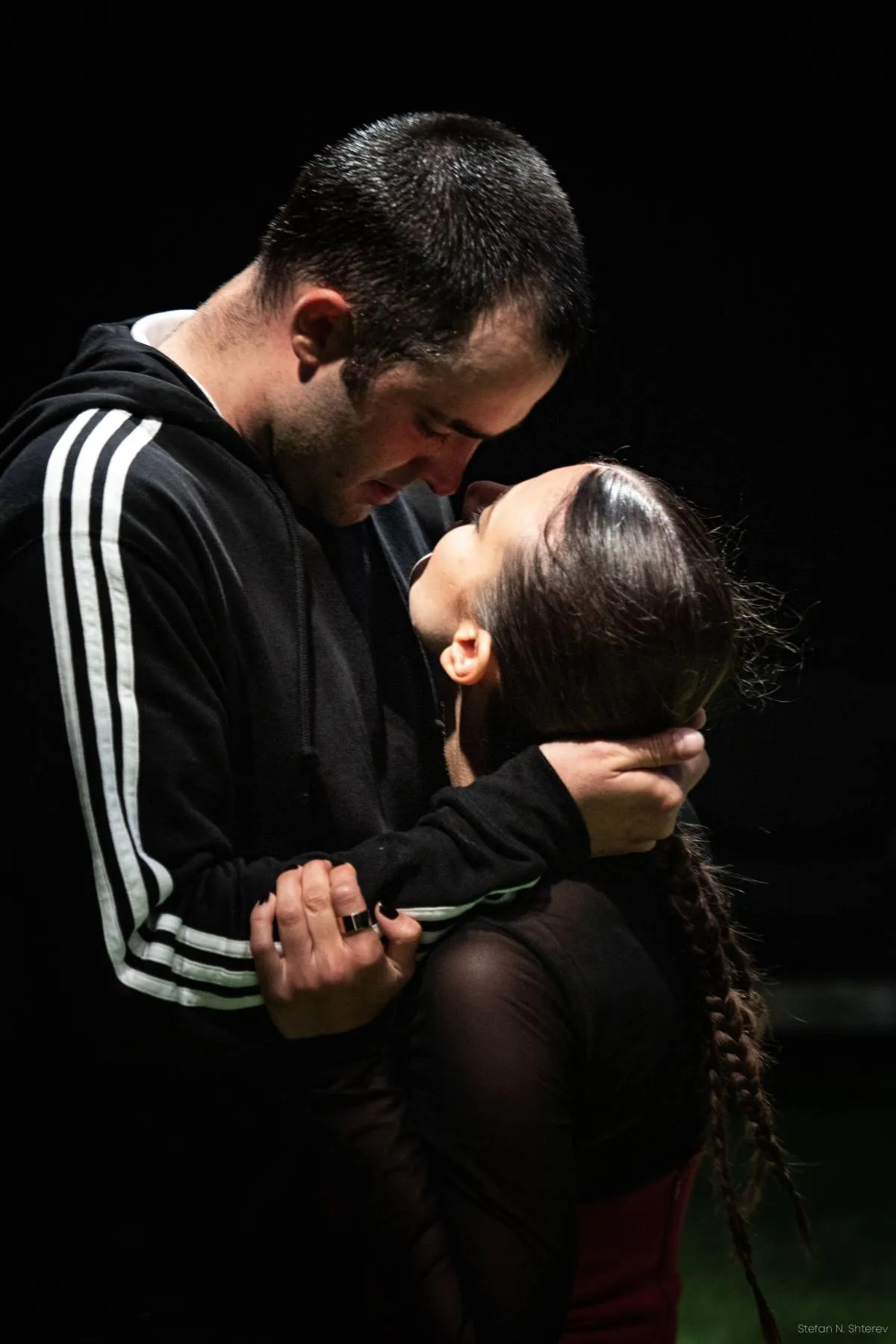
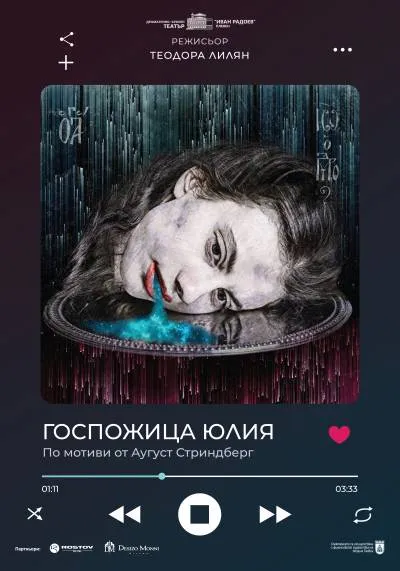
On colliding with the present day, August Strindberg’s classic play sheds its many now-unnecessary words, and in the Pleven theatre’s production this takes on a relevant, living nerve for today. In the production „Miss Julie“ the characters want to live and to love; they strive to break out of the world of clichés and social rules. But every step beyond the norm can cause destruction. In this story there can be no fairytale harmony or happy ending. But if people scream from loneliness and pain, does that not mean that they are truly alive?
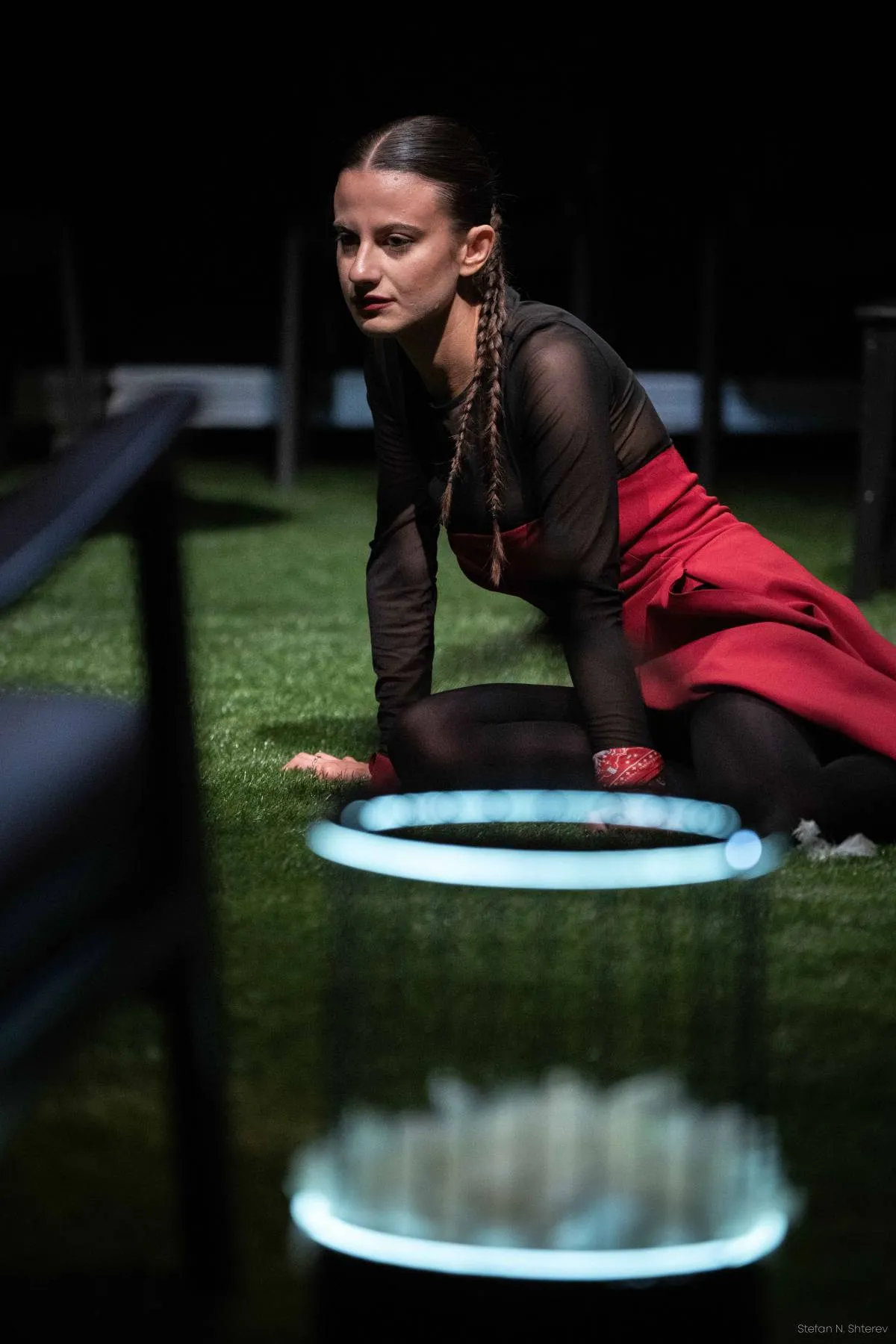
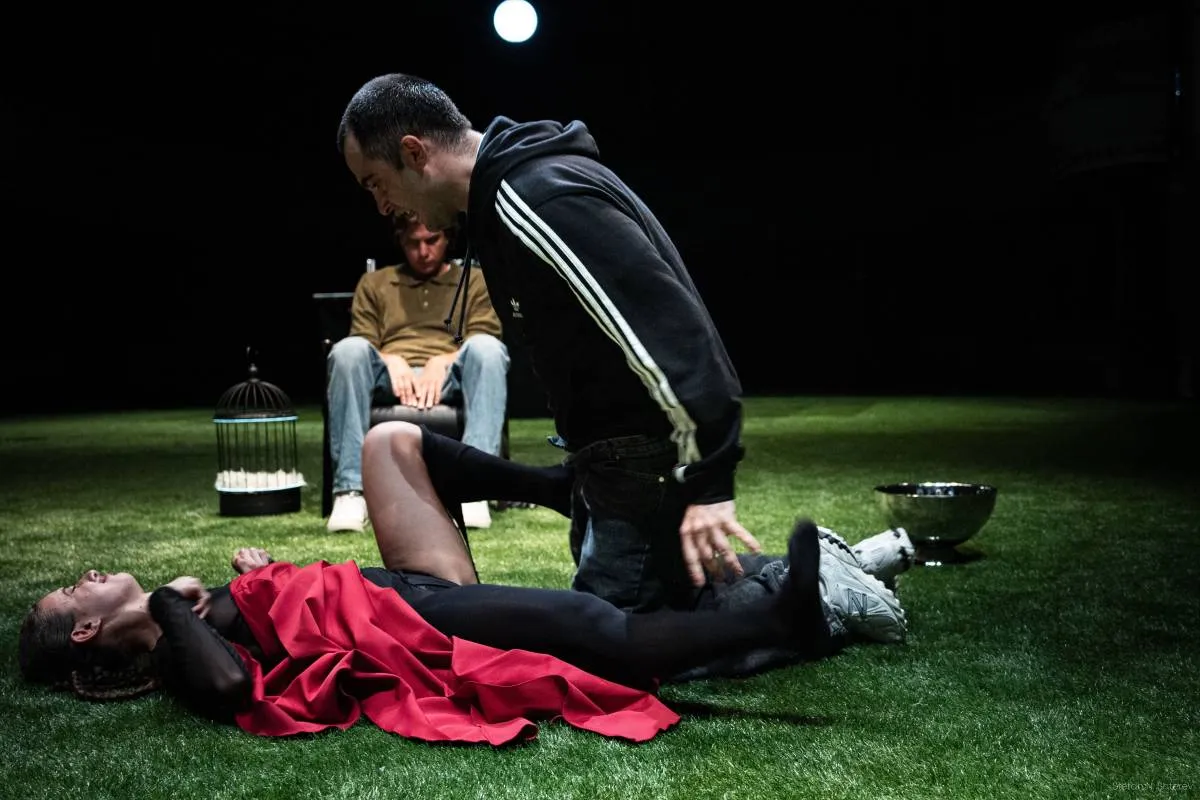
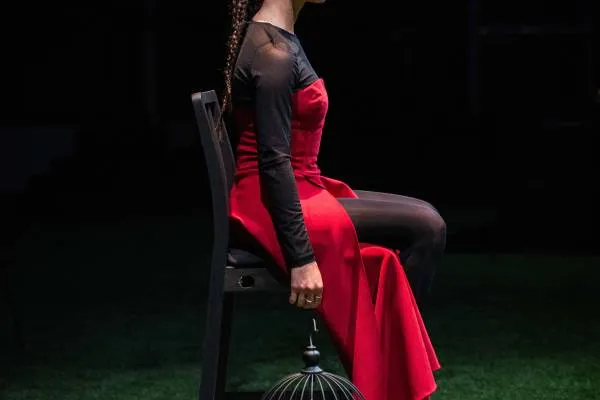
The action takes place on Midsummer’s Eve, the birthday of Miss Julie, the Master’s daughter, who remains in the company of the servants Jean and Kristin. This night, meaningfully called by Miss Julie a „feast of innocent games“, becomes an arena of dominance, a game without rules from which there is no escape. The traditional master-servant relations are overturned, as they are in the set design by Oleg Golovko, which, before the eyes of the audience, surprisingly and spectacularly breaks the author’s requirement that the action take place in the „count’s kitchen“.
The Swedish author August Strindberg wrote the play „Miss Julie“ in 1888, and it became an emblem of naturalism and modern drama. It has been the subject of hundreds of interpretations for theatre, cinema, opera and television. It was first staged in 1906 in Stockholm. In his manifesto-like preface to the play, Strindberg describes his characters as „modern, living in an age of transition…, more hesitant and disintegrating than their predecessors, a mixture of old and new“. The source of the plot is a true story that Strindberg happened to overhear, calling it „suitable for tragedy, since it still seems tragic to see someone favoured by fate perish…“
Teodora Lilyan graduated from the Russian State Institute of Performing Arts (RGISI) in St Petersburg in the class of Grigory Mikhailovich Kozlov, an Honoured Worker of Theatrical Art in Russia and artistic director of the “Masterskaya” theatre in St Petersburg. During her studies Teodora Lilyan staged performances at the Educational Theatre and took part in numerous theatre laboratories in Russia. The production “Rusalka” at the National Theatre was her debut on a Bulgarian stage, where she worked for the first time in tandem with the dramaturg Roman Dolzhansky.
Roman Dolzhansky graduated from the GITIS Theatre Academy in Moscow in 1993, and is one of the leading theatre critics and a columnist for „Kommersant“, having published over 4,000 articles, reviews, interviews and essays on Russian and international theatre. In 1998, together with Marina Davydova, he founded the international NET (New European Theatre) festival in Moscow, which introduced some of the most significant names of the contemporary theatre scene, such as Thomas Ostermeier, Alvis Hermanis, Ivo van Hove, Árpád Schilling, Michael Thalheimer, Jan Fabre, Oskaras Koršunovas, Rimini Protokoll and others.
Since 2007 he has been deputy director and chief dramaturg of the „Theatre of Nations“, one of the most famous theatre platforms. As a dramaturg he has worked with Robert Wilson, Robert Lepage, Thomas Ostermeier, Alvis Hermanis, Timofey Kulyabin and others. He has a special relationship with Bulgarian theatre and Bulgarian directors. He is the dramaturg of two productions at the „Ivan Vazov“ National Theatre – „Nora“ directed by Timofey Kulyabin and „Rusalka“ directed by Teodora Lilyan. Roman Dolzhansky is also the dramaturg of the production with John Malkovich, „In the Solitude of Cotton Fields“, which toured Bulgaria.
He is a curator of theatre projects in Russia, Germany, Georgia and Bulgaria, a member of the jury of the International „Ibsen“ Award (also known as the „Nobel Prize for theatre“), and a member of the international theatre network “Mitos21”, which unites the most renowned European theatre institutions such as Deutsches Theater Berlin, ITA, József Katona Theatre, Dramaten, Toneelhuis Antwerp, Teatre Lliure Barcelona, Odéon - Théâtre de l’Europe and others. He is an adviser and collaborator of some of the most influential theatre institutions in Europe.
Oleg Golovko graduated from the Institute of Painting, Sculpture and Architecture in St Petersburg in the class of Eduard Kochergin. He continued his studies in Paris. From 2002 to 2004 he worked as chief set designer of the Altai Drama Theatre, and between 2004 and 2006 he was chief set designer of the Novosibirsk “Krasny Fakel” theatre. He has designed more than a hundred productions, such as “The Trial” at the Mariinsky Theatre, “Mercy” and “The Time of Women” at the Tovstonogov Bolshoi Drama Theatre, “The Overcoat” at the Moscow Art Theatre, “Tannhäuser” at the Novosibirsk Opera and many others. His works are included in the collection of the St Petersburg Theatre Library and are exhibited in the Museum of Theatre and Music. Oleg Golovko is a close associate of director Timofey Kulyabin and works with him on the productions he stages abroad. He is the set designer of the Bulgarian „Nora“ at the National Theatre, directed by Timofey Kulyabin.
+18
The performance is NOT suitable for people with photosensitive epilepsy.
Premiere 20 June 2024.